Introduction
When it pertains to fencing options for modern homes, property owners typically discover themselves torn in between aesthetic appeals, toughness, and functionality. Two popular options that often turn up in discussions are Colorbond fences and traditional wood fences. Each deals distinct benefits and drawbacks that can substantially affect your property's worth, privacy, and appeal. This post will dig deep into the Colorbond fence vs wood dispute, offering you with a comprehensive understanding of both options so you can make an informed decision customized to your needs.
Understanding Colorbond Fences
What is a Colorbond Fence?
A Colorbond fence is made from premium steel covered with a special paint finish that not just enhances its visual appeal however also safeguards it from the components. Readily available in a comprehensive variety of colors and designs, these fences are developed to match modern architectural trends while supplying robust security.

Key Functions of Colorbond Fences
Durability: The steel building and construction makes these fences resistant to warping, cracking, or rotting. Low Maintenance: Unlike wood, Colorbond fencing does not need routine staining or painting. Variety of Colors: With over 20 colors readily available, you can quickly match your fence to your home's exterior. Wind Resistance: Created to withstand harsh climate condition, they use exceptional wind resistance compared to standard wood fences.Benefits of Utilizing Colorbond Fencing
- Long-lasting: A well-installed Colorbond fence can last over 30 years. Fire-resistant: Unlike wood, which is flammable, Colorbond steel won't catch fire easily. Eco-Friendly Options: Made from recyclable materials and requires very little energy in production.
The Appeal of Wood Fences
What are Wood Fences?
Traditional wood fences are built from numerous types of timber such as pine, cedar, or redwood. They have actually been used for centuries due to their natural look and ability to mix seamlessly into lots of landscapes.

Key Functions of Wood Fences
Natural Aesthetic: Wood offers a traditional look that numerous property owners appreciate. Versatility: You can easily personalize wooden fences through painting or staining. Insulation Properties: Wood naturally insulates sound better than metal options.Benefits of Using Wood Fencing
- Affordable Preliminary Investment: Typically lower upfront expenses compared to Colorbond fencing. Easily Repairable: If part of the fence is damaged, it's often easier and more affordable to replace a single plank than a whole section.
Colorbond Fence vs Wood: A Detailed Contrast for Modern Homes
Aesthetic Versus Practicality
When thinking about aesthetic appeals versus functionality in the context of the Colorbond fence vs wood debate:
- Aesthetically pleasing wooden fences provide a rustic appeal that interest numerous house owners looking for heat and character. In contrast, the sleek finish and broad color palette of Colorbond fencing cater more towards modern designs.
Cost Analysis
Initial Costs
|Type|Typical Cost per Meter|| --------------|------------------------|| Colorbond|$75 - $100|| Wood|$50 - $80|
While wood may seem less expensive initially glimpse, consider long-term maintenance costs when assessing general expenditure.
Long-Term Value
Investing in a Colorbond fence may need a greater initial financial investment however can conserve you cash gradually due to its longevity and low upkeep requirements.
Maintenance Requirements Compared
Colorbond Fence Maintenance
One significant advantage is that these fences normally require extremely little upkeep:
- Simple cleaning with soap and water keeps them looking fresh. No need for repainting or restraining every couple of years.
Wood Fence Maintenance
Wooden fences require continuous attention:
- Regular examinations for rot or insect damage must be performed. Staining or sealing every couple of years is essential to preserve appearance and integrity.
Installation Insights for Both Options
Colorbond Fence Installation Process
Installing a Colorbond fence includes numerous vital actions:
Preparing the site by clearing vegetation and determining boundaries. Installing steel posts utilizing concrete footings for stability. Attaching panels securely before adding any finishing touches like caps.Professional setup services can streamline this procedure dramatically.
Wood Fence Installation Steps
For wood fences:
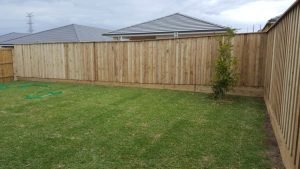
Marking out the area where the fence will go. Setting posts in concrete (or using pre-made panels) tends to be basic practice. Attaching horizontal rails before protecting vertical slats.
DIY enthusiasts might find this option attractive however be prepared for labor-intensive work!
Environmental Considerations
Sustainability of Materials
When discussing sustainability in https://josuefence-contractorbywg374.theglensecret.com/colorbond-fence-vs-wood-a-comprehensive-comparison-for-modern-houses the Colorbond fence vs wood argument:
- Steel used in Colorbond items is recyclable at end-of-life stages. Responsibly sourced timber can also be eco-friendly if gotten from sustainable forests; however, prohibited logging remains a concern.
Carbon Footprint Analysis
Producing metal typically has a greater carbon footprint than lumber; however:
- The durability of Colorbond fencing indicates less replacements are needed over decades compared with wood alternatives-- an element worth weighing when assessing ecological impact.
Security Includes Evaluation
Security Strengths of Colorbond Fencing
The robust nature of steel makes it challenging for burglars to breach compared to wooden barriers:
- Heightened exposure also suggests greater responsibility around your property-- no hiding spots!
Wooden Fence Security Concerns
While wood alternatives can still protect your home successfully:
- Rotting or degeneration could jeopardize strength gradually resulting in vulnerabilities-- especially if not maintained properly!
FAQs About Colorbond Fencing
1. Is Colorbond fencing more expensive than wood fencing?
Yes, although initial costs might be greater with Colorbond fencing, its durability frequently leads to savings on upkeep over time.
2. How long does a typical Colorbond fence last?
A properly maintained Colorbond fence can last upwards of 30 years due to its resilient construction materials.
3. Can I paint my Colorbond fence?
While you technically can paint it, it's not advised as it may void warranties; rather go with one of the numerous colors available straight from manufacturers!
4. What about sound insulation?
Wood offers much better noise insulation compared to metal options like Colorbond due to its natural density properties.
5. Exist any pests related to wooden fences?
Yes! Wood structures may attract termites or other insects if not treated effectively-- this is something potential owners must keep in mind during their decision-making process!
6. Do I require council approval for setting up either type?
This differs based upon area policies; constantly check regional laws before continuing with either type!
Conclusion
Ultimately, choosing in between a Colorbond fence and standard wood fencing hinges on individual preferences regarding style along with useful concerns such as cost-effectiveness and upkeep requirements over time-- both alternatives hold benefit depending on specific scenarios! Armed with this knowledge about Colorbond Fence vs Wood, you're now much better geared up than ever before when choosing about enhancing your home's outdoor areas while keeping performance front-of-mind!